

Guitar String Gauge Explained (Complete Guide for Beginners 2026)
If you’ve ever seen numbers like .009, .010, or .012 on guitar strings and felt confused, you’re not alone.
This guide will clearly explain guitar string gauge, how it affects your playing, and which gauge is best for you.
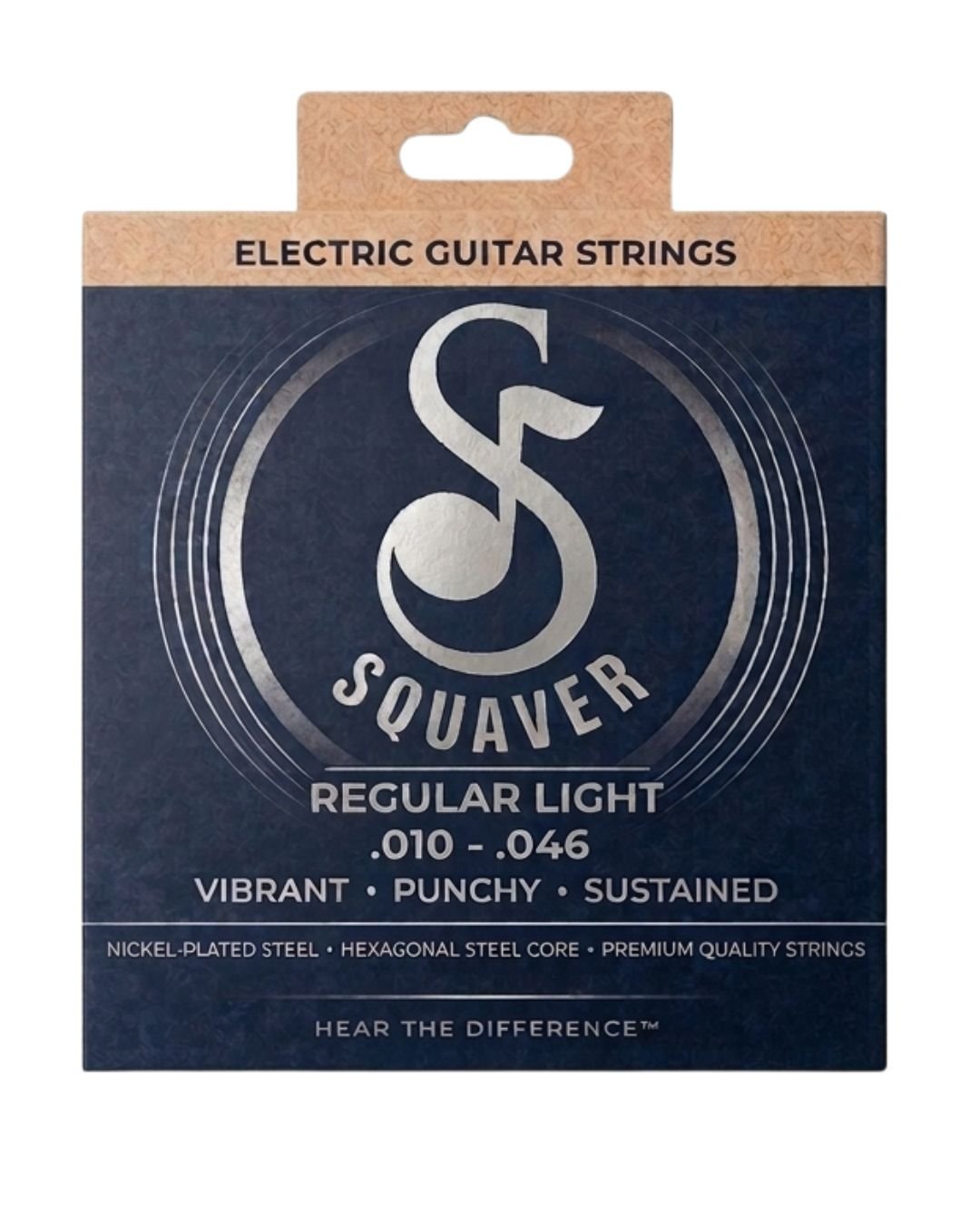
🎸 What Is Guitar String Gauge?
String gauge refers to the thickness of a guitar string, measured in inches.
- .009 = very thin
- .010 = light
- .011+ = thicker/heavier
👉 Thinner strings = easier to play 👉 Thicker strings = louder and fuller sound
📊 Guitar String Gauge Chart
| Gauge | Type | Best For |
|---|---|---|
| .009–.042 | Extra Light | Beginners, soft fingers |
| .010–.046 | Light | Most players (balanced) |
| .011–.049 | Medium | Stronger hands |
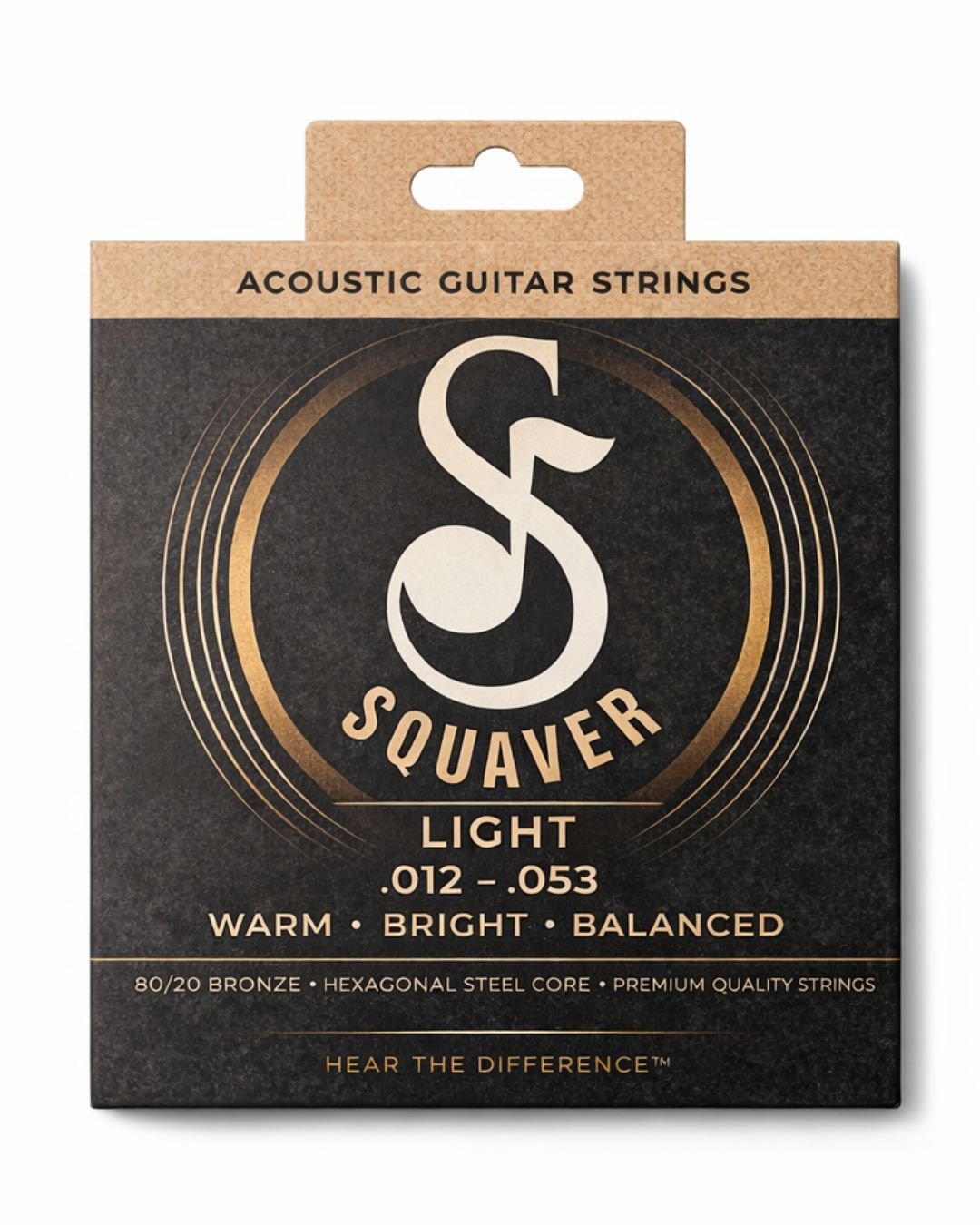
| .012–.053 | Acoustic Light | Acoustic guitars |
⚡ Light vs Heavy Strings (Simple Comparison)
| Feature | Light Strings | Heavy Strings |
|---|---|---|
| Playability | Easy | Hard |
| Tone | Bright | Full |
| Finger Pain | Less | More |
| Bending | Easy | Difficult |
🎯 Best Gauge for Beginners
The best starting point is:
- Electric guitar → .010 gauge
- Acoustic guitar → .012 gauge
👉 Beginner guide: Best Strings for Beginners
🎵 Electric vs Acoustic Gauge Difference
- Electric strings: thinner (.009–.010)
- Acoustic strings: thicker (.012+)
💡 How to Choose the Right Gauge
- Beginner → Light gauge
- Finger pain → Extra light
- Stronger hands → Medium
- Acoustic players → .012 or above
⚠️ Common Mistakes
- Starting with heavy strings
- Ignoring comfort
- Copying pro players’ setup
🔧 Pro Tip: Balance Is Key
Most players stay on .010 gauge because it offers the perfect balance of comfort and tone.
🔥 Best Combo for All Gauges

🔗 Related Guides
- Best Guitar Strings for Finger Pain
- Best Electric Strings for Beginners
- How Often to Change Strings
- Acoustic vs Electric Strings
🎯 Final Verdict
Understanding guitar string gauge helps you choose the right strings for comfort, sound, and performance. Beginners should start light and adjust based on their playing style.